As memory prices continue to surge in 2026, resourceful consumers are breathing new life into technology from nearly two decades ago. The ongoing memory shortage has created an unexpected trend: DDR3 memory platforms are experiencing a remarkable resurgence as budget-conscious users seek alternatives to today’s expensive memory options.
Chinese Market Leads the DDR3 Renaissance
Recent industry reports from Chinese Board Channels reveal a fascinating shift in consumer behavior. Faced with prohibitively expensive modern memory, Chinese tech enthusiasts have rediscovered Intel’s legacy X99 HEDT platform as a cost-effective solution for building high-capacity systems.
The appeal is clear: older Intel Xeon processors support quad-channel memory configurations, offering workstation-level performance at consumer-friendly prices. What makes this particularly interesting is the innovation happening in the aftermarket sector. Chinese motherboard manufacturers have engineered creative solutions that allow standard DDR3 and ECC DDR3 modules, originally incompatible with the X99 chipset’s native DDR4 support—to work seamlessly with these platforms.
The numbers are impressive: Users can achieve up to 128 GB of memory capacity through quad-channel configurations. For those needing even more, dual-socket X99 motherboards featuring LGA 2011-V3 sockets push the envelope further, supporting up to 256 GB across eight memory channels.
Market Data Shows Explosive Growth
The trend isn’t just anecdotal. According to Chinese Board Channels, DDR3 motherboard sales are experiencing dramatic growth, with volumes increasing by 200-300% or more. This surge appears driven by strong demand for budget-friendly PC builds, particularly bundles pairing DDR3-compatible motherboards with 6th through 9th generation Intel processors.
Creative Solutions Beyond DDR3
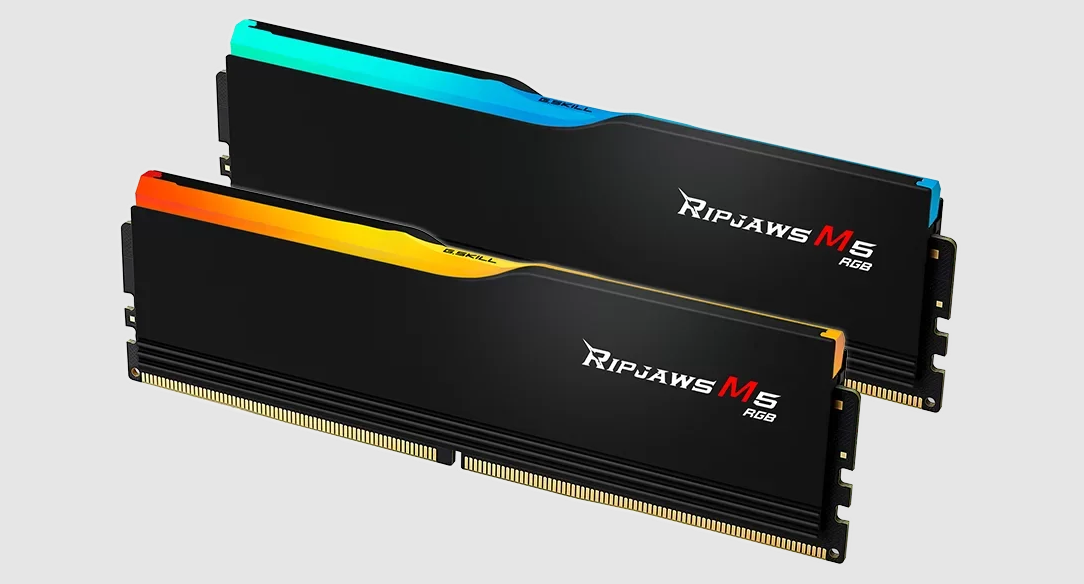
The DDR3 revival represents just one approach to combating high memory costs. Another popular workaround involves gamers repurposing laptop SODIMM modules for desktop use through SODIMM-to-DIMM adapters. This strategy capitalizes on the slower price increases affecting laptop memory compared to standard desktop DIMMs, offering another pathway to affordable system builds.
The Performance Trade-off
While these creative solutions provide much-needed relief for budget-conscious builders, they come with caveats. Modern memory technologies and current-generation platforms still deliver superior performance and efficiency. However, when faced with doubling or tripling memory costs, the performance gap becomes easier to accept.
In today’s challenging market conditions, these innovative approaches demonstrate how necessity drives creativity. For users prioritizing capacity and value over cutting-edge performance, vintage platforms combined with clever engineering offer a practical escape from the memory price crisis.
Sometimes looking backward provides the most forward-thinking solution to current problems. As memory prices remain elevated, expect these alternative approaches to gain even more traction throughout 2026.
Read Also: CES 2026: NVIDIA Drops DLSS 4.5 with Insane 6x Frame Generation for RTX Cards
About The Author